

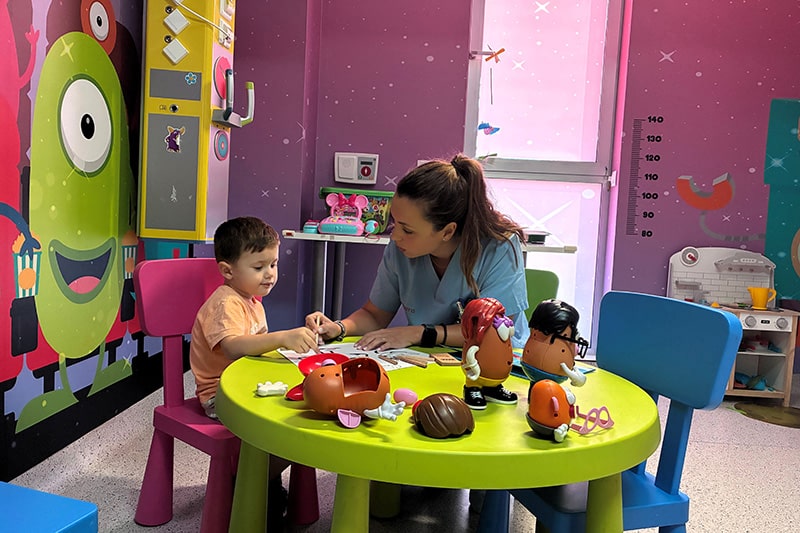
- Psychologist Marta Marcos, from the Vinalopó University Hospital, points out that changes in routine and increased demands can cause physical symptoms in children and adolescents.
- Daniel Valencia, a psychologist at the Ribera Juan Cardona hospital, emphasizes that "the pain associated with anxiety is also real" and advises listening to the child and observing the context in which the symptoms appear.
- Mónica Villar, a psychologist at Ribera Povisa, explains that sudden changes in sleep, diet, hydration, and exposure to stimuli can trigger migraine processes in predisposed children.
The return to school represents an adjustment period for many children and teenagers, which can generate nervousness, stress, or anxiety. Specialists from the Ribera healthcare group warn that some common physical symptoms during these weeks, such as headaches, abdominal pain, nausea, fatigue, or difficulty sleeping, may be related to the emotional impact of resuming school routines. Marta Marcos and Daniel Valencia address the emotional dimension of these symptoms, while Mónica Villar Guisado provides key information for recognizing and preventing childhood migraines associated with changes in habits.
The psychologist from the Child and Adolescent Mental Health Unit (USMIA Toscar) of the Department of Health of VinalopoMarta Marcos explains that the start of the school year means transitioning from more flexible schedules and fewer demands to a period marked by classes, homework, extracurricular activities, and new responsibilities. "Going back to school can generate anxiety due to the change in routines and the increased demands, but also due to emotional factors, such as seeing classmates again, changing classrooms or schools, changing teachers, or facing the transition from primary to secondary school," she points out.
According to the specialist, some of the most common symptoms of anxiety in childhood are abdominal pains without apparent cause, nausea, loss of appetite, diarrhea, tachycardia, feeling of suffocation, frequent headaches, dizziness or problems falling asleep.
For his part, the hospital psychologist Riverside Juan CardonaDaniel Valencia insists that these symptoms should not be interpreted as imaginary or exaggerated by the child. "It's not that the child is making anything up. What they are feeling is real. The pain that accompanies anxiety is also real and deserves to be heard and understood," he states.
Headaches can also be related to stress
The specialist explains that returning to school can disrupt essential habits such as sleep, diet, and physical activity—factors that directly influence the onset of headaches or migraine episodes in some children. "There isn't a single explanation for a headache. Lack of sleep, skipping breakfast, insufficient water intake, or anxiety about going back to school can all contribute to and trigger the pain," Valencia adds.
Mónica Villar, a psychologist at Ribera Povisa Hospital, explains that returning to school "doesn't cause migraines on its own, but it can trigger them in predisposed children." Among the main triggers, she points to "the abrupt change in sleep schedules, spikes in stress and anxiety, changes in diet and hydration, overstimulation from noise, lights, or screens, and the release of stress accumulated over the weekend."
The specialist reminds us that childhood migraines are not ordinary headaches. “In children, attacks tend to be shorter, the pain can affect both sides of the forehead, and it may be accompanied by vomiting, dizziness, or stomach pain. Furthermore, it can force the child to stop playing or other activities, seek darkness and silence, and avoid movement, light, or noise,” she explains, which is why it's important to be aware of the symptoms.
Although most of these episodes are not due to serious illnesses, experts remind us of the importance of consulting a healthcare professional when the pain is intense, recurrent, affects school performance, or is accompanied by vomiting or visual disturbances.
The importance of anticipation and routines
The three professionals agree that anticipation is a fundamental tool to reduce the emotional impact of returning to school and avoid abrupt changes in daily habits.
Marta Marcos recommends starting to re-establish routines and habits about two weeks before the start of classes, gradually adjusting bedtimes and wake-up times, limiting screen time at night, and reinforcing healthy eating habits. "It's important to validate children's emotions, let them know it's normal to feel nervous, and focus the conversation on the positive aspects of going back to school," she explains.
Daniel Valencia adds that preparing school supplies together, talking about what the first day will be like, and visiting the school beforehand are strategies that help reduce uncertainty. Similarly, Mónica Villar Guisado advises validating both the child's excitement and fears, organizing school supplies together, and using calendars to anticipate changes. She also recommends gradually moving bedtime forward by 10 to 15 minutes over the two weeks prior, re-establishing stable eating and hydration routines, and gradually returning to extracurricular activities without overwhelming the child.
When to seek professional help
Experts remind us that a certain increase in anxiety during the first few weeks of the school year is a normal part of the adjustment process. However, they advise consulting a specialist if symptoms persist, are very intense, interfere with daily life or school performance, are accompanied by persistent refusal to attend class, or occur alongside vomiting or visual disturbances.
Mónica Villar Guisado also emphasizes the importance of observing before becoming alarmed, especially when younger children cannot accurately describe the pain. She recommends informing the school if the student has a migraine so they can rest in a quiet, dimly lit space, stay hydrated, and follow the instructions in their migraine management plan at the first sign of symptoms.
"Rather than asking ourselves if the pain is real or if the child is trying to avoid school, we should ask ourselves what that symptom is trying to tell us and what is happening around it," concludes Daniel Valencia.


